
• shape

    WELCOME TO AGRITECH

    Invest in agriculture, invest in your future."

  • shape

    WELCOME TO AGRITECH

    कृषिर्धन्या कृषिर्मेध्या जन्तूनां जीवनं कृषि:

Feature 01

High Protein Wheat

Feature 02

Climate-resilient seeds

Feature 03

Nutrient Rich Maize & Millets


Our Introductions

Agritech

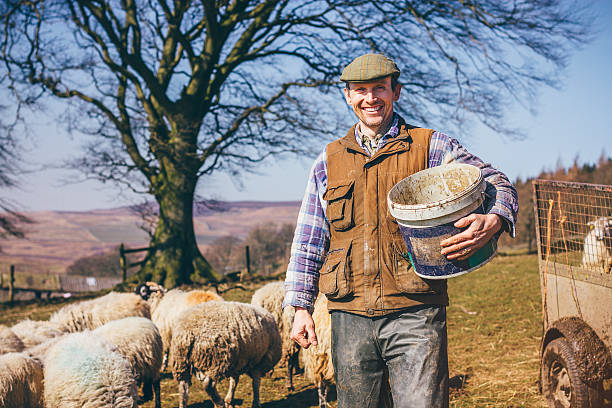
Together With Farmers

Agritech is committed to the growth and self-reliance of the farmers! We are constantly working to break archaic agricultural practices, make agriculture quality-focused & more profitable for the farmers, and enhance the soil fertility for long-term sustainable agriculture output. It was created to help farmers derive better outcomes from their farming efforts. Better quality and nutrient-rich agriculture produce, better farming practices and better profits!

Growing fruits vegetables

Tips for ripening your fruits
Our Introductions

Agritech

Banana Process Farming

Banana cultivation involves field preparation (plowing, harrowing, and adding organic matter to pits or furrows), planting (using suckers or tissue-cultured plants), and continuous care including frequent irrigation, fertilization with potassium-rich fertilizers, regular weeding, mulching, and pest and disease management, culminating in harvesting the fruit after about 9-12 months, depending on the variety and conditions.  

(1) Field Preparation * Site Selection: Choose a location with well-drained soil and adequate sunlight.  * Land Preparation: Plow the land multiple times and harrow to create a fine tilt.  * Pits/Furrows: Dig pits (e.g., 60x60x60 cm) and fill them with a mixture of well-decomposed farmyard manure (FYM), soil, and sand in a 1:1:1 ratio. Alternatively, furrows can be made for planting. 

(2) Planting * Planting Material: Use banana suckers (young shoots) or tissue-cultured plantlets, which can be treated to prevent diseases. * Planting: Plant the suckers or plantlets in the center of the prepared pits or furrows. Ensure the surrounding soil is compacted tightly around the plant. * Timing: Planting time varies by region; it often occurs after the rainy season, like June-July or September-October, or in February-March in irrigated areas.

* (3) Irrigation * Water Needs: Bananas are water-loving plants requiring significant water for high yields. * Application: Irrigate immediately after planting and consistently thereafter, often weekly or every 4-5 days in hot weather. * Technology: Drip irrigation is highly recommended to save water and increase yield.

(4) Harvesting Growth Cycle: The entire process from planting to harvest takes approximately 9 to 12 months, depending on the banana variety and growing conditions. Fruit Removal: Once the bananas are mature, the bunch is cut from the plant.

Onion Process Farming

Onion farming begins with soil preparation, followed by sowing seeds or transplanting seedlings into prepared beds, as onions can be started from seeds, sets, or transplants. Farmers then manage the crop by providing adequate watering, applying fertilizer, and removing weeds to promote bulb development. The final step is harvesting, when the yellow, flopped-over onion leaves indicate the bulbs are mature and ready to be dried and stored

(1.) Soil Preparation Select a Sunny Location: Onions need a sunny spot with well-draining, fertile soil. Amend the Soil: Incorporate compost or well-rotted manure to improve soil quality and add general-purpose fertilizer. Create Raised Beds: Raised beds or berms are beneficial, especially for heavy clay soils, to improve drainage and aeration.

(2.) Planting Onions can be planted using three methods: Direct Seeding: Sow seeds directly into the field or nursery bed. Using Sets: Plant small, immature onion bulbs (sets) that have been previously grown from seeds. Transplanting Seedlings: Grow seedlings in a nursery for about 50-60 days before transplanting them into the main field. Spacing: Space seeds or plants appropriately to allow for bulb development; wider spacing results in larger bulbs.

(3.) Crop Management Watering: Keep the soil consistently moist but avoid overwatering, which can lead to disease. Water more frequently during the bulbing stage. Weeding: Regularly remove weeds manually or using herbicides to prevent competition for resources. Fertilizing: Apply fertilizer with appropriate NPK ratios to provide essential nutrients for growth. Bolting Control: If a flower stalk emerges (bolting), cut it off to redirect the plant's energy back into bulb formation.

(4.)Harvesting and Storage Maturity: Harvest onions when the leaves begin to turn yellow and fall over. Drying: Let the harvested bulbs dry for several days in the field or under cover, depending on the weather, to prepare them for storage. Storage: Store dried onions in a cool, dry place to prevent spoilage.

Our Upcoming Projects

What We Offer

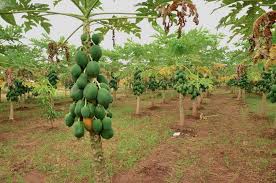
Papaya Farming

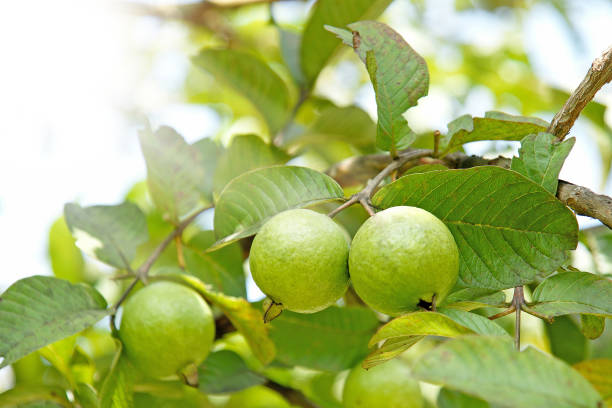
Guava Farming

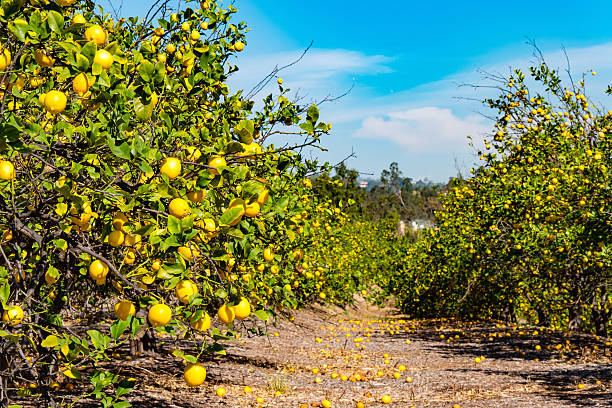
Lemon Farming
Recently Completed

Explore Projects